
Keynote Speakers
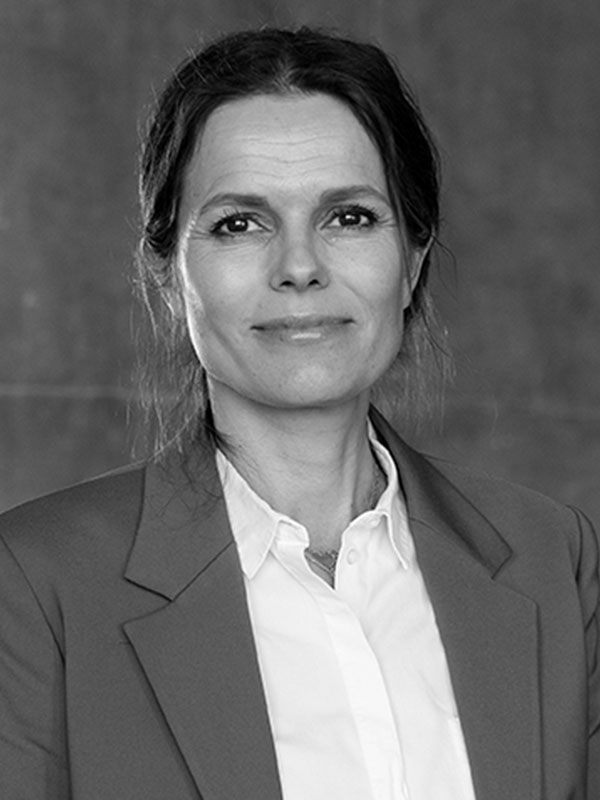
Rikke Buhl, DVM, PhD
University of Copenhagen, Denmark
Atrial Fibrillation and The Athlete’s Heart in racehorses. What can we learn from the extreme?
Rikke Buhl graduated as D.V.M. in 1999 from University of Copenhagen, Denmark where she also obtained a PhD degree in 2004. She is now employed as Professor at University of Copenhagen and her primary research area is within equine cardiology where translational approach including both biomolecular and clinical studies are playing a major role in her projects. Specific research topics are Athlete’s Heart, atrial fibrillation, exercise induced cardiac fatigue and Sudden Cardiac Death. Her research group currently consists of two PhD students, two assistant professors and four MSc students. Her national and international collaborations involve both MDs, veterinarians, and biologists, allowing me to work from a strong translational viewpoint.
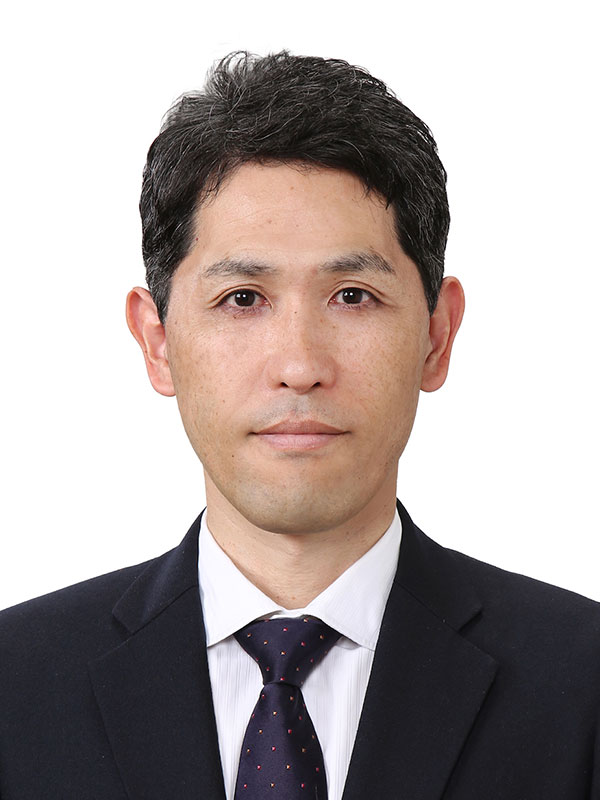
Kazutaka Mukai, DVM, PhD
Equine Research Institute, Japan Racing Association
Exercise Thermoregulation in Thoroughbred Horses: From Acute Heat Stress to Skeletal Muscle Adaptation
Dr. Kazutaka Mukai is Head of the Sports Science Division at the Equine Research Institute, Japan Racing Association (JRA). He received his DVM from the University of Tokyo in 1999 and his PhD in Veterinary Medical Sciences from the same university in 2008. Following two years as a clinical veterinarian at the JRA Racehorse Hospital, he joined the Sports Science Division in 2001.
Dr. Mukai is an equine exercise physiologist whose research focuses on the physiological determinants of exercise performance and training adaptation in Thoroughbred horses. His expertise includes cardiovascular function, oxygen transport and utilization, skeletal muscle metabolism, and physiological responses to hypoxic and high-intensity interval training. In recent years, his research has expanded to thermoregulation and heat stress in racehorses, including exercise in hot environments, cooling strategies, and heat acclimation. His current research aims to translate advances in equine exercise physiology into practical strategies to enhance racehorse health, welfare, and performance.
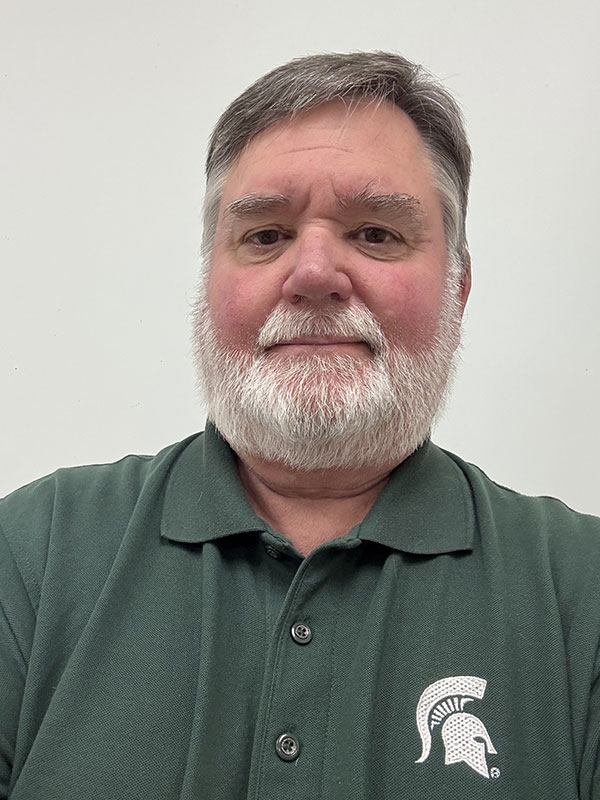
Harold C. Schott II, DVM, PhD, DACVIM
Michigan State University
Factors Contributing to Metabolic Failure in Endurance Horses
Dr. Schott received his DVM degree in 1984 from The Ohio State University College of Veterinary Medicine. He started his career with three years in private equine practice in Southern California. Dr. Schott subsequently pursued advanced training by completing a residency in equine internal medicine and a PhD in equine exercise physiology at Washington State University. Since 1995, Dr. Schott has been an equine medicine clinician at Michigan State University with a strong clinical interest in fluid and electrolyte balance, urinary tract disorders, and endocrinological disorders. Over four decades Dr. Schott has pursued a research interest of fluid and electrolyte balance in endurance horses. In addition to treadmill studies simulating endurance rides, he has performed numerous field studies of endurance horses in the United States, United Kingdom, and United Arab Emirates.
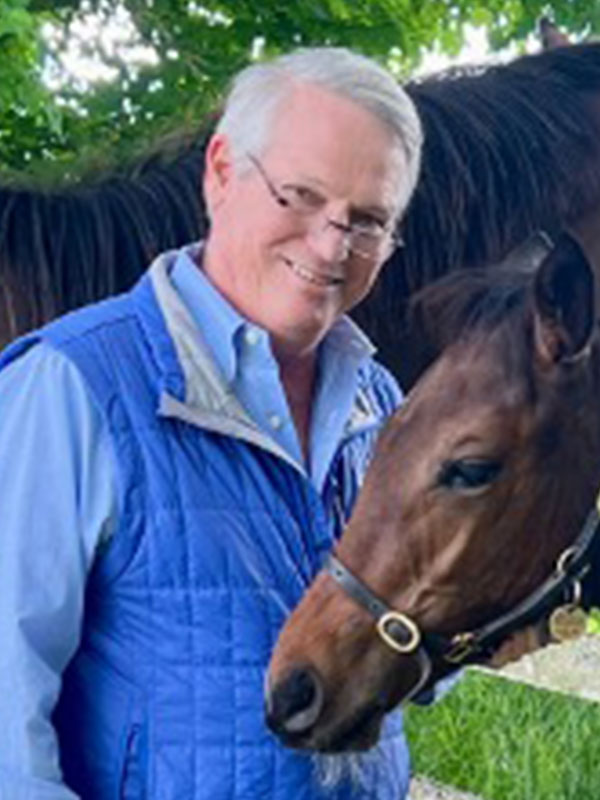
Joe D. Pagan, MS, PhD
Kentucky Equine Research
Comparative Nutrition of the Performance Horse: An Energetic Perspective
Dr. Joe Pagan is the founder and president of Kentucky Equine Research, an international research, consulting, and product development company specializing in equine nutrition and sports medicine. KER operates research facilities in Versailles, Kentucky, and Ocala, Florida, where it conducts a broad range of equine nutrition and exercise physiology studies. Dr. Pagan has devoted more than 40 years to studying equine energetics, with research focused on how horses use different energy substrates during exercise and how feeding can replenish them. He earned his master’s and doctoral degrees in equine nutrition and exercise physiology from Cornell University. Kentucky Equine Research has served as equine nutrition consultant for the past seven Olympic Games and several World Equestrian Games. In 2005, Dr. Pagan received the American Feed Industry Association Award in Equine Nutrition Research, which recognizes excellence in equine nutrition research and contributions to equine feeding management and the equine feed industry. In 2025, he was named a Fellow of the Equine Science Society.
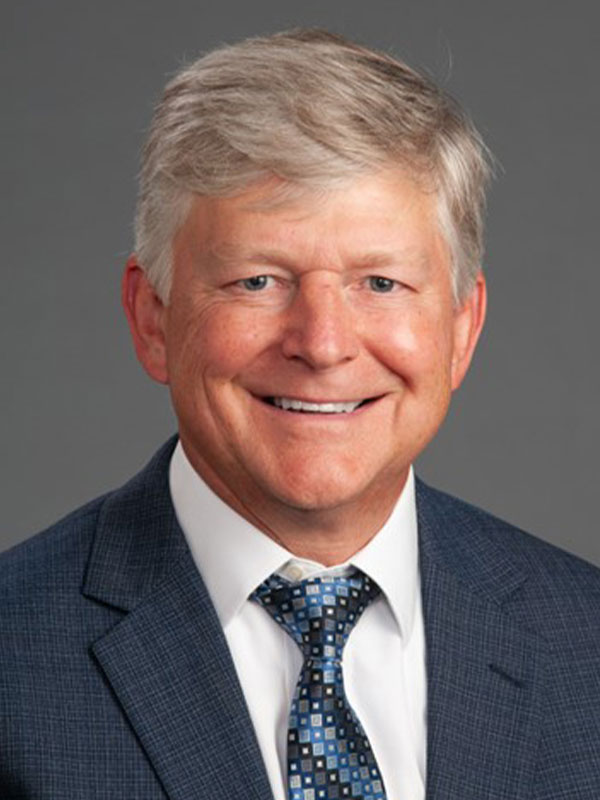
P. Darrell Neufer, PhD
Wake Forest University School of Medicine
Mitochondrial Bioenergetics - The Key to Optimizing Performance
Dr. P. Darrell Neufer is currently Professor and Chief, Section of Molecular Medicine, Departments of Internal Medicine and Biochemistry, the Director of the North Carolina Diabetes Research Center, and the Associate Director of the Cardiometabolic Center of Excellence at Wake Forest University School of Medicine. For more than 40 years, Dr. Neufer’s research has integrated mitochondrial bioenergetics, metabolism, molecular biology, and exercise physiology to identify the molecular/biochemical mechanisms that promote health as well as the mechanisms underlying etiology and pathology of disease. His lab was the first to establish that mitochondrial H2O2 emission from reductive stress links high fat diets to the development of insulin resistance in skeletal muscle. Recently, the lab has developed the first of its kind approach to directly quantify mitochondrial OxPhos efficiency and is using the approach to investigate the mechanisms by which normal and metabolically compromised or diseased states affect mitochondrial bioenergetic efficiency, and in turn, how acute and/or adaptive changes in bioenergetic efficiency contribute to, or counterbalance against, metabolic disease.
Hirofumi Miyata, PhD
Yamaguchi Study Center, Open University of Japan
Structural Characteristics of Thoroughbred Skeletal Muscle Fibers and Training-Induced Adaptations
Dr. Hirofumi Miyata is a physiologist specializing in neuromuscular cellular biology in mammals. He received his M.S. from the University of Tsukuba in 1983 and earned his PhD in neuroanatomy from Osaka University in 1992. He subsequently worked as a postdoctoral research fellow in the Department of Anesthesiology at the Mayo Clinic in the United States. Since 1996, he has conducted research and education in animal cell physiology at Faculty of Agriculture in Yamaguchi University, focusing on neuromuscular plasticity using histochemical and biochemical approaches. In recent years, he has collaborated extensively with the Japan Racing Association and the Equine Research Institute on studies of muscle adaptation and training responses in Thoroughbred racehorses. He currently serves as Director of the Yamaguchi Study Center at the Open University of Japan.
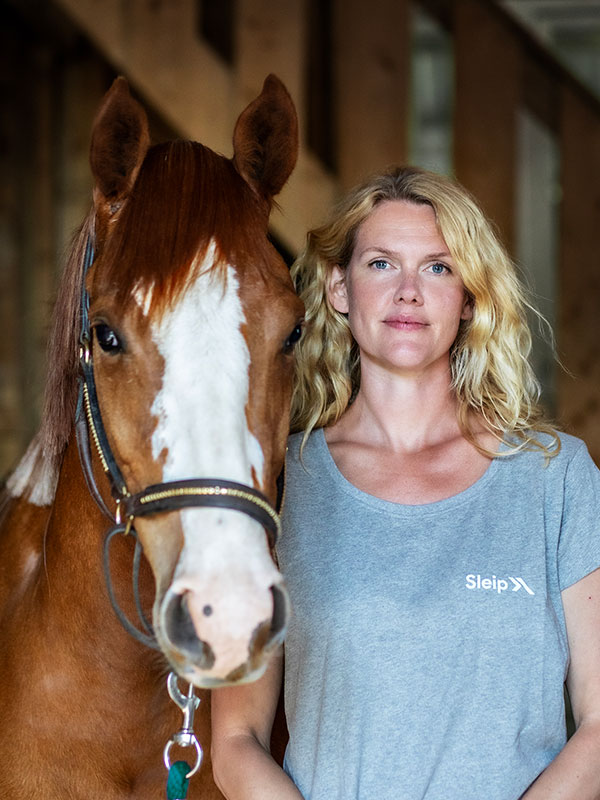
Elin Hernlund, DVM, PhD, Dipl. ECVSMR
Swedish University of Agricultural Sciences / Sleip AI
Advancements in equine gait analysis: From traditional biomechanics to AI-supported clinical decision-making
Dr. Elin Hernlund, DVM, PhD, Dipl. ECVSMR is a veterinary scientist, clinician, and Associate Professor (Docent) in Clinical and Functional Anatomy at the Swedish University of Agricultural Sciences (SLU), where she leads the Animal Locomotion Laboratory. Her research focuses on equine biomechanics and orthopaedics, with a particular emphasis on developing and validating digital tools for objective gait analysis and early disease detection.
She obtained her PhD in equine biomechanics in 2016 and is a Diplomate of the European College of Sports Medicine and Rehabilitation. She has co-authored 70 peer-reviewed scientific publications and several book chapters on equine locomotion, conformation, and quantitative movement assessment.
Her current research integrates biomechanics with artificial intelligence and computer vision, aiming to develop data-driven models of animal movement and “digital twins” that enable automated health monitoring from video data. This work is supported by national and international funding bodies and carried out in collaboration with leading technical institutions including KTH and the Max Planck Institute for Intelligent Systems.
In addition to her academic work, she co-founded Sleip AI, a company translating research into clinical practice through smartphone-based gait analysis systems used in veterinary practices worldwide.
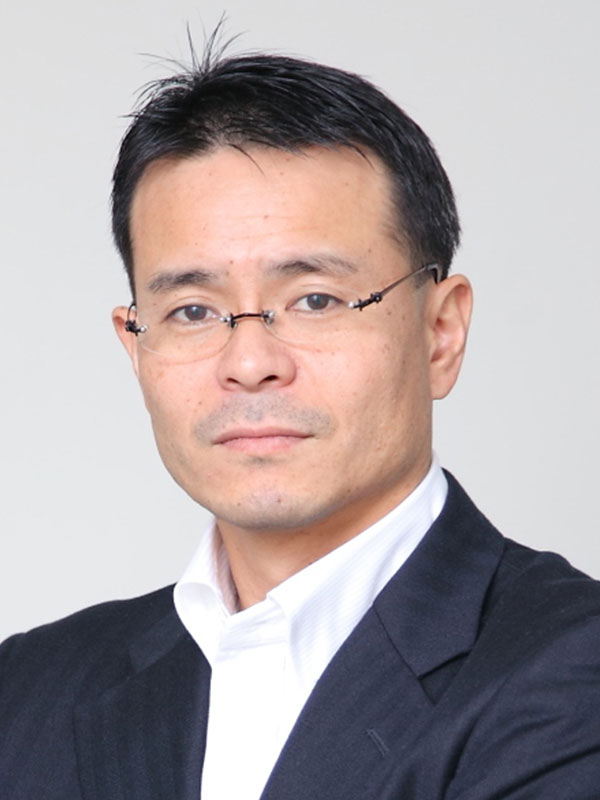
Yuji OHGI, PhD
Professor, Graduate School of Media and Governance, Keio University
Theoretical and Experimental Approaches to Describing the Dynamics of Horse and Rider
Yuji OHGI, PhD, is a Professor at the Graduate School of Media and Governance, Keio University, and Executive Director of the Keio Research Institute at SFC (KRIS), Japan. He received his B.H.P.E. and M.H.P.E. degrees from the University of Tsukuba and his PhD in Media and Governance from Keio University. His research focuses on sports engineering, biomechanics, and human movement science, with particular interests in measuring and analyzing human motion and performance using sensing and computational technologies. He has conducted extensive research in swimming and aquatic sports, including the development and application of wearable sensing technologies for the quantitative analysis of swimmers’ movements and performance.
His research has also expanded into equine science, where he applies interdisciplinary approaches to understanding movement, performance, and human–animal interaction. In 2025, he founded the Equine Science Consortium at the Keio Research Institute at SFC and currently serves as its Director.
He is President of the Japanese Society of Sciences in Swimming and Water Exercise and Vice Chair of the Sports Engineering and Human Dynamics Division of the Japan Society of Mechanical Engineers.